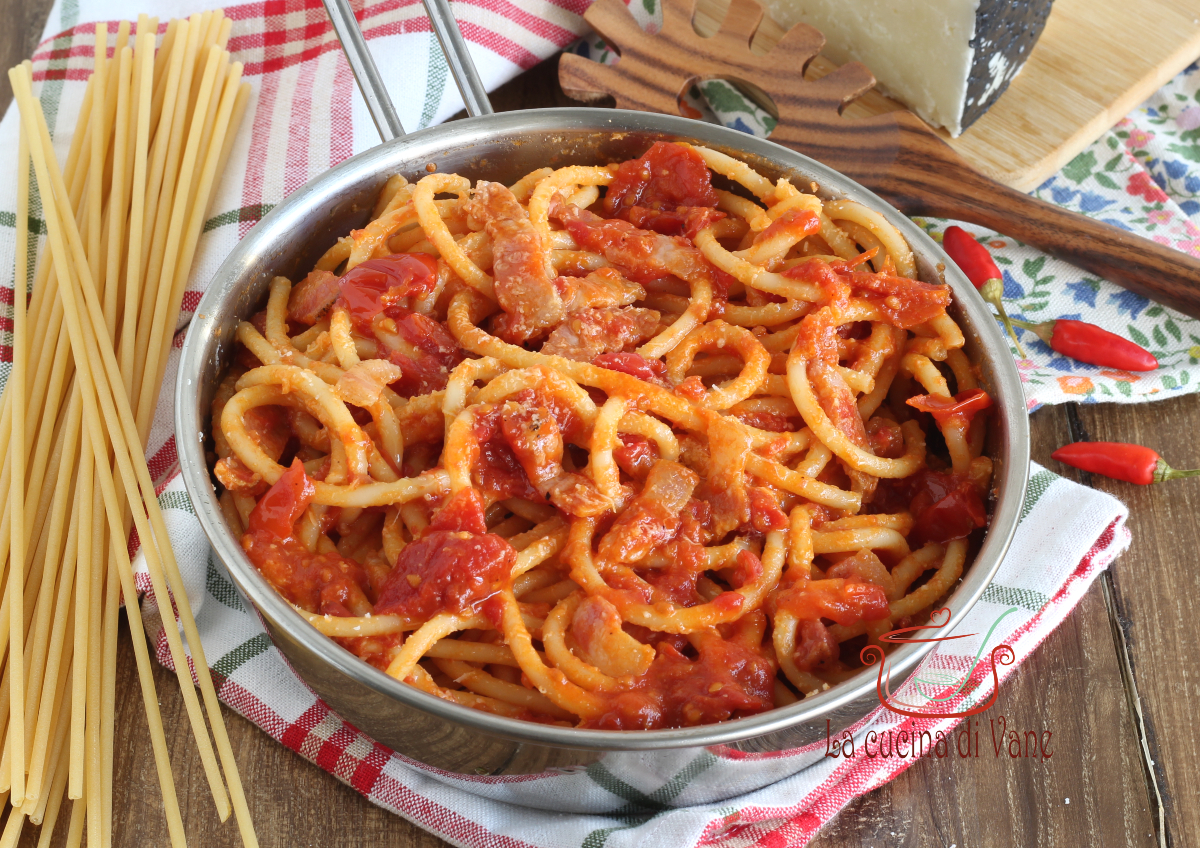
Bucatini Amatriciana: A Timeless Dish, Endless Memories
In the heart of many Italian homes, certain aromas have the power to transport you through time, back to childhood kitchens filled with laughter and the warmth of family. For generations, the savory scent of sizzling guanciale, the rich perfume of simmering tomatoes, and the sharp tang of freshly grated Pecorino Romano have defined these cherished moments. This is the magic of **Bucatini Amatriciana**, a dish that transcends mere sustenance to become a beloved ritual, a culinary storytelling device passed down through the ages. It’s more than just a pasta dish; it’s an edible emblem of heritage, a testament to the enduring power of food to forge and strengthen family bonds.
For countless families, the preparation of **Bucatini Amatriciana** isn't just about following a recipe; it's a communion with the past, a continuation of a legacy. Whether it's a bustling Sunday lunch or a quiet weeknight dinner, the act of bringing this vibrant dish to the table transforms an ordinary meal into an extraordinary experience, where every bite is infused with history, love, and the echoes of generations.
The Heart of the Home: A Culinary Legacy
Imagine a Sunday afternoon, sunlight streaming into the kitchen, illuminating dust motes dancing in the air. A child watches, fascinated, as a parent or grandparent meticulously renders guanciale, the crisping fat releasing an irresistible aroma. Later, the bubbling sauce, rich and red, perfumes every corner of the house, promising comfort and joy. These aren't just scenes; they are memories being made, the very essence of what makes **Bucatini Amatriciana** a cherished family heirloom.
This classic pasta dish hails from Amatrice, a small town nestled in the picturesque Lazio region of Italy, a place renowned for its robust culinary traditions. Its origins are humble, born from the simple ingredients available to shepherds in the Apennine mountains. Over centuries, it evolved from its "gricia" (white Amatrice) form to include tomatoes, forever cementing its place as a cornerstone of Italian cuisine. The story of Amatriciana is woven into the fabric of Italian culture, and for many families, it’s a story told and retold with every stirring of the pot. It’s a connection to the roots, a way to keep the spirit of ancestors alive and vibrant in the present. This deep-rooted connection to the past is precisely why understanding and appreciating
Bucatini Amatriciana: A Cherished Italian Family Heirloom is so important to many Italian families.
Mastering the Essentials: Key Ingredients for Authentic Amatriciana
The true brilliance of **Bucatini Amatriciana** lies in its elegant simplicity, relying on a few high-quality ingredients to create a symphony of flavors. Authenticity is paramount here, and choosing the right components is the first step towards crafting a truly memorable dish.
*
Guanciale: The Soul of the Sauce
This is non-negotiable. Guanciale, cured pork jowl, is the beating heart of Amatriciana. Unlike pancetta (cured pork belly) or bacon, guanciale boasts a distinct, richer flavor profile and a unique fat that renders beautifully, creating a silky, flavorful foundation for the sauce. Its delicate sweet notes and savory depth are irreplaceable. When rendered slowly, it becomes crisp on the outside and tender within, infusing the olive oil with unparalleled flavor.
*
Pecorino Romano: The Salty Embrace
Hailing from Rome and the Lazio region, Pecorino Romano is a hard, salty sheep's milk cheese. Its sharp, tangy flavor is essential for balancing the richness of the guanciale and the sweetness of the tomatoes. Do not substitute with Parmigiano Reggiano; while delicious, Parmigiano has a nuttier, sweeter profile that will alter the authentic taste of **Bucatini Amatriciana**. Always grate it fresh.
*
San Marzano Tomatoes: The Sweet Foundation
These plum tomatoes, grown in the volcanic soil of the Agro Sarnese-Nocerino region near Mount Vesuvius, are celebrated for their balanced sweetness, low acidity, and thick flesh. Crushed San Marzano tomatoes provide the perfect base for the sauce, offering a vibrant, rich tomato flavor without being overly tart. If whole, gently crush them by hand for a rustic texture.
*
Bucatini: The Perfect Vessel
Bucatini, a thick, hollow spaghetti-like pasta, is the traditional choice for Amatriciana. Its unique tubular shape allows it to capture and hold the rich sauce beautifully, ensuring every mouthful is bursting with flavor. The slight chewiness of perfectly al dente bucatini provides a satisfying contrast to the robust sauce.
*
A Touch of Spice: Peperoncino
While optional, a tiny pinch of dried red chili flakes (peperoncino) adds a subtle warmth and a gentle kick that elevates the entire dish, enhancing the savory notes without overpowering them.
*
Dry White Wine: The Deglazing Agent (Optional but Recommended)
A splash of dry white wine, like Vermentino or Pinot Grigio, used to deglaze the pan after rendering the guanciale, adds another layer of complexity and depth to the sauce, lifting all the savory bits from the bottom of the pan.
Understanding these ingredients is key to truly capturing the essence of
Authentic Amatriciana: A Classic Recipe from Lazio, Italy, bringing a taste of Italy right into your kitchen.
The Art of Assembly: Crafting Your Bucatini Amatriciana
Creating a truly exceptional plate of **Bucatini Amatriciana** is an art form, but one that is remarkably accessible. It's about respecting the ingredients and understanding the progression of flavors.
1.
Render the Guanciale: Start by dicing the guanciale into small, even pieces. In a large pan (preferably non-stick or cast iron), render the guanciale slowly over medium-low heat. The goal is to gently crisp the fat and release all its savory goodness without burning. This can take 10-15 minutes. Once golden and crisp, remove the guanciale with a slotted spoon and set aside, leaving the rendered fat in the pan.
2.
Build the Flavor Base: If using, add a touch of peperoncino to the guanciale fat and sauté for 30 seconds. Then, deglaze the pan with a splash of dry white wine, scraping up any browned bits from the bottom. Allow the wine to evaporate.
3.
Introduce the Tomatoes: Add the crushed San Marzano tomatoes to the pan. Season lightly with salt (remember the guanciale and Pecorino are salty). Bring to a gentle simmer and cook for at least 20-30 minutes, allowing the sauce to thicken and the flavors to meld. Stir occasionally to prevent sticking. A pinch of sugar can balance any acidity if needed, but quality San Marzanos rarely require it.
4.
Cook the Bucatini: While the sauce simmers, bring a large pot of heavily salted water to a rolling boil. Add the bucatini and cook according to package directions until al dente – firm to the bite.
5.
Marry Pasta and Sauce: Before draining the bucatini, reserve about a cup of the starchy pasta water. Drain the pasta and immediately add it to the simmering tomato sauce. Add the reserved guanciale back into the pan.
6.
Emulsify and Finish: Toss the pasta vigorously with the sauce, adding a splash of the reserved pasta water as needed to create a luscious, emulsified sauce that clings beautifully to the bucatini. Stir in a generous amount of freshly grated Pecorino Romano, continuing to toss until the cheese is melted and combined. The pasta water helps create a glossy, cohesive sauce.
7.
Serve Immediately: Serve hot, garnished with extra Pecorino Romano and a sprinkle of fresh black pepper.
Tip for Success: Do not add garlic or onion. While delicious in other Italian sauces, they are not traditional in Amatriciana and can detract from the pure flavors of the guanciale and tomatoes. Less is truly more with this dish.
Beyond the Plate: Amatriciana and Lasting Memories
The true magic of **Bucatini Amatriciana** isn't confined to the ingredients or the cooking technique; it's in the experience it creates. It’s the shared anticipation around the kitchen island, the clinking of forks on plates, and the contented sighs that follow the first bite. For many, this dish serves as an anchor for family rituals—whether it’s the centerpiece of holiday gatherings or a comforting weeknight treat that brings everyone together after a long day.
Encourage conversation around the table. Share stories of your own memories with the dish, or invent new ones. Maybe designate a "chief Amatriciana maker" in the family, passing on not just the recipe, but the mantle of culinary tradition. Consider pairing this hearty dish with a robust red wine from Lazio, like a Cesanese, or a crisp, dry white if you prefer. A simple green salad with a light vinaigrette makes for a perfect fresh counterpoint.
A Culinary Tapestry Woven with Love
**Bucatini Amatriciana** is more than just a recipe; it’s a living tradition, a culinary tapestry woven with the threads of history, family, and passion. From the rugged landscapes of Amatrice to the warmth of your own kitchen, this dish offers an authentic taste of Italy and an opportunity to craft delicious memories that will be savored for generations. So, gather your finest ingredients, invite your loved ones, and embark on your own journey with this extraordinary pasta. Let the rich aroma fill your home, and let every forkful tell a story of heritage, connection, and the undeniable power of food to bring us all closer.