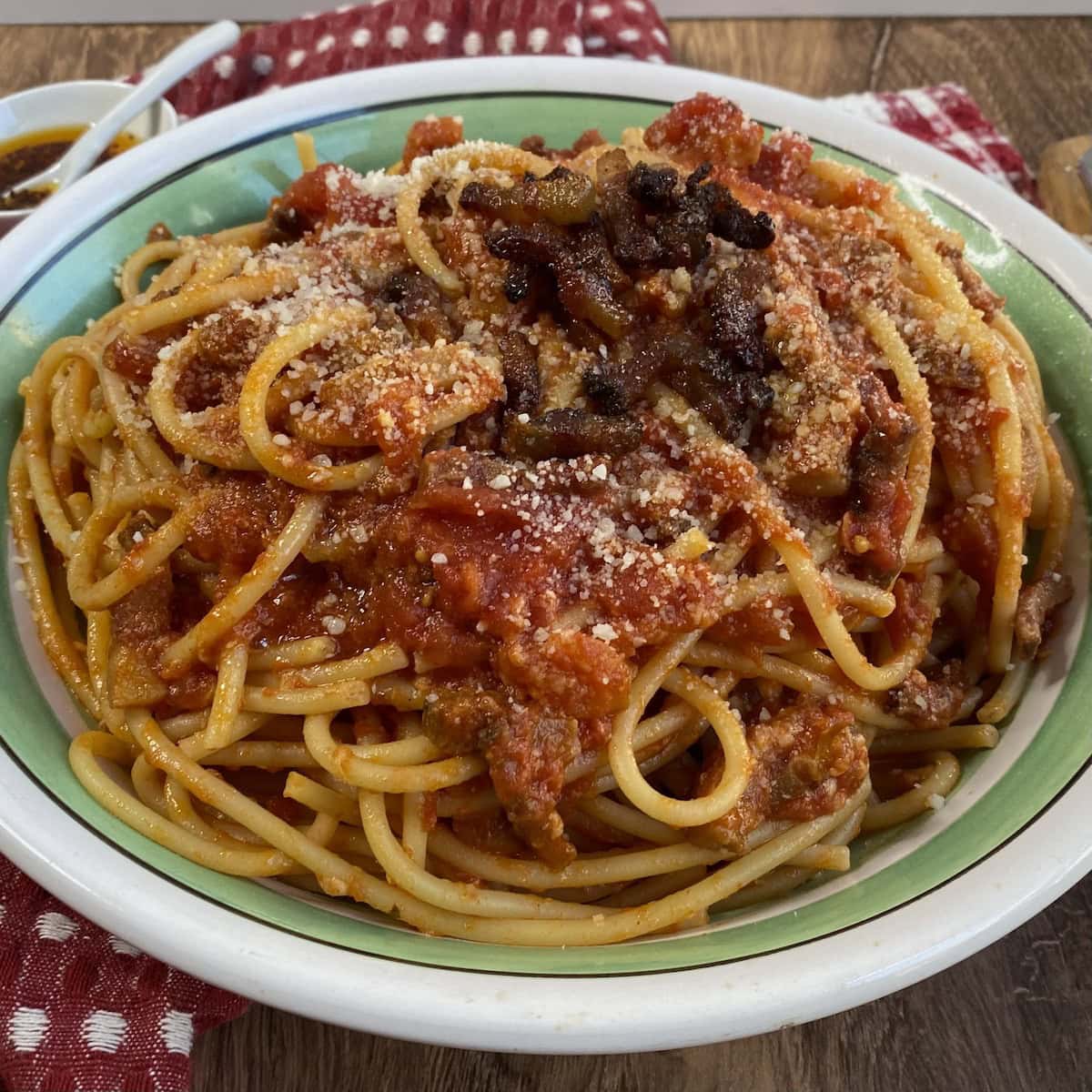
Bucatini Amatriciana: A Cherished Italian Family Heirloom
There are few culinary experiences as profound and heartwarming as preparing a dish that carries the weight of generations within its flavors. In Italian homes, certain recipes aren't just meals; they are living histories, passed down from expert hands to eager learners, each stirring spoon and simmering pot echoing stories of heritage and love. Among these cherished traditions, the
Bucatini Amatriciana stands out as a true culinary heirloom, a dish that transforms simple ingredients into a profound testament to family bonds and gastronomic excellence.
The very scent of its preparation – the sizzle of rich guanciale, the bubbling of vibrant tomatoes, the aroma of sharp Pecorino Romano – instantly transports many to bustling Sunday gatherings, festive celebrations, and quiet moments shared around a communal table. For us, this classic preparation is more than just a recipe for pasta; it's a direct link to our past, a tangible expression of our roots, meticulously preserved and passionately shared. The act of cooking
Authentic Amatriciana: A Classic Recipe from Lazio, Italy is a ritual, one that connects us to our fathers and grandfathers, who, with patience and skill, first mastered its nuances. Now, we carry that torch, ensuring that the legacy of these unforgettable flavors continues to live on through our own children.
The Heart of Lazio: Tracing Amatriciana's Rustic Roots
To truly appreciate the soulful depth of
Bucatini Amatriciana, one must understand its humble origins. This iconic dish hails from Amatrice, a small town nestled in the picturesque mountains of the Lazio region in central Italy. Originally, Amatriciana was known as *Gricia*, a "white" sauce featuring guanciale, Pecorino Romano, and black pepper, created by shepherds who needed hearty, portable meals using readily available ingredients. These hardy, resourceful individuals would carry cured pork and aged cheese with them during their transhumance, fueling long days in the fields.
The transformation from *Gricia* to Amatriciana occurred with the introduction of the tomato to Italian cuisine in the 17th and 18th centuries. While initially viewed with suspicion, tomatoes eventually found their way into Italian kitchens, revolutionizing countless dishes. In Amatrice, the addition of tomatoes to the shepherd's classic created the vibrant, rich, and unforgettable sauce we know today. This evolution speaks volumes about Italian culinary adaptability while honoring tradition. The dish itself became a symbol of Amatriciana's identity, so much so that its recipe is often fiercely protected and debated, with purists adhering strictly to the time-honored methods and ingredients. It's this dedication to authenticity that cements Bucatini Amatriciana's status as a culinary treasure.
The Essential Ingredients: Simplicity Meets Perfection
The magic of
Bucatini Amatriciana lies in its deceptively simple ingredient list. Unlike many complex sauces, Amatriciana thrives on the quality and interplay of just a few key components. Each ingredient plays a vital role, contributing to a harmonious symphony of flavors that is greater than the sum of its parts.
- Guanciale: The Soul of the Sauce: This is non-negotiable. Guanciale, cured pork jowl, is the star. Its unique flavor profile, dense texture, and high fat content render beautifully, providing an unparalleled depth and crispy texture that pancetta or bacon simply cannot replicate. As it slowly cooks, it releases its rich, savory fat, which forms the fragrant base for the entire sauce. Look for guanciale that is aged and has a good balance of meat and fat.
- Peeled Tomatoes: The Heart's Embrace: For an authentic Amatriciana, high-quality peeled tomatoes are crucial. Crushed San Marzano tomatoes, with their sweet, balanced flavor and low acidity, are often preferred, but any good quality Italian canned peeled tomatoes will do. The sauce should be robust and fresh, not overly sweet or acidic. Some purists even use a combination of whole peeled tomatoes, crushed by hand, and a little tomato paste for depth.
- Pecorino Romano: The Salty Kiss: This hard, salty sheep's milk cheese from Lazio provides the essential piquant finish. Its sharpness cuts through the richness of the guanciale and tomatoes, adding a layer of complexity and savory depth. It's important to use genuine Pecorino Romano, as substitutes will drastically alter the flavor profile. Grate it fresh, just before serving, to maximize its aroma and taste.
- Bucatini: The Perfect Vessel: While spaghetti is often used, Bucatini is the traditional and arguably superior pasta choice for Amatriciana. These thick, hollow strands are ideal for capturing and carrying the rich, chunky sauce within and around their tubes. Each bite offers a satisfying chew and an explosion of flavor as the sauce is released from the pasta's core.
- Other Essentials: A touch of dry white wine (optional, but adds complexity), a pinch of peperoncino (red chili flakes) for a gentle kick, and freshly ground black pepper complete the ensemble. Onion and garlic are traditionally omitted to allow the core flavors to shine, a point often emphasized by true Amatriciana aficionados.
Crafting the Heirloom: A Step-by-Step Culinary Journey
Creating
Bucatini Amatriciana is an act of culinary mindfulness, a deliberate process that rewards patience and attention to detail. This isn't just about following a recipe; it's about connecting with the ingredients and understanding their transformation.
- Render the Guanciale: Begin by dicing the guanciale into small, even pieces. In a cold pan (preferably a sturdy, heavy-bottomed one), add the guanciale and slowly render it over medium-low heat. The key here is patience; allow the fat to slowly melt out, becoming translucent and crispy, without burning. This process can take 10-15 minutes. Once crispy, remove the guanciale pieces with a slotted spoon and set them aside, leaving the precious rendered fat in the pan.
- Build the Sauce Base: If using white wine, add a splash to the hot guanciale fat to deglaze the pan, scraping up any flavorful bits. Let it evaporate completely. Then, add the peperoncino to infuse the oil. Carefully pour in the peeled tomatoes, crushing them by hand or with a spoon as they cook. Season lightly with salt (remember Pecorino Romano is salty) and freshly ground black pepper. Bring the sauce to a gentle simmer and let it cook for at least 20-30 minutes, allowing the flavors to meld and deepen. The longer it simmers, the richer it becomes.
- Cook the Bucatini: While the sauce simmers, bring a large pot of heavily salted water to a rolling boil. Add the bucatini and cook according to package directions until *al dente* – firm to the bite. Before draining, reserve about 1-2 cups of the starchy pasta water. This "liquid gold" is essential for achieving the perfect sauce consistency.
- Combine and Emulsify: Drain the bucatini and immediately transfer it directly into the pan with the simmering tomato sauce. Add about half of the reserved crispy guanciale and a generous handful of freshly grated Pecorino Romano. Begin to toss and stir vigorously, adding splashes of the reserved pasta water as needed. This process, known as *mantecatura*, emulsifies the sauce, creating a glossy, rich coating that clings beautifully to the bucatini. The starch from the pasta water helps bind everything together.
- Serve and Garnish: Plate the bucatini amatriciana immediately. Garnish each serving with the remaining crispy guanciale, another generous sprinkle of Pecorino Romano, and a final grind of black pepper. For a truly authentic experience, serve it simply, allowing the robust flavors to speak for themselves.
This mindful approach transforms the kitchen into a sanctuary, a place where time slows down, and the hands that prepare the food imbue it with unspoken affection. It's a testament to the power of food as a language of love, especially when it comes to a family favorite like
Bucatini Amatriciana.
Bucatini Amatriciana: A Legacy Beyond the Plate
The enduring appeal of
Bucatini Amatriciana goes far beyond its exquisite taste. It is a dish that embodies the spirit of Italian hospitality, a culinary embrace that gathers loved ones and strengthens connections. Each time it's prepared, new memories are woven into its fabric, enriching its legacy and ensuring its continued journey through future generations. It's a reminder that the simplest pleasures, when crafted with care and tradition, can hold the deepest meaning.
This cherished Italian family heirloom invites us not just to eat, but to participate in a timeless ritual. It encourages us to slow down, savor the process, and appreciate the heritage that comes with every single bite. Whether you're making it for a special occasion or a simple weeknight meal, preparing
Bucatini Amatriciana is an act of love, a delicious link to the past, and a promise of shared joy for the future.
In every strand of bucatini, in every piece of savory guanciale, and in every spoonful of rich tomato sauce, there lies a story—a family heirloom waiting to be experienced and passed on. So gather your ingredients, clear your mind, and embark on this beautiful culinary journey. The reward is not just a meal, but a taste of history, tradition, and enduring family love.