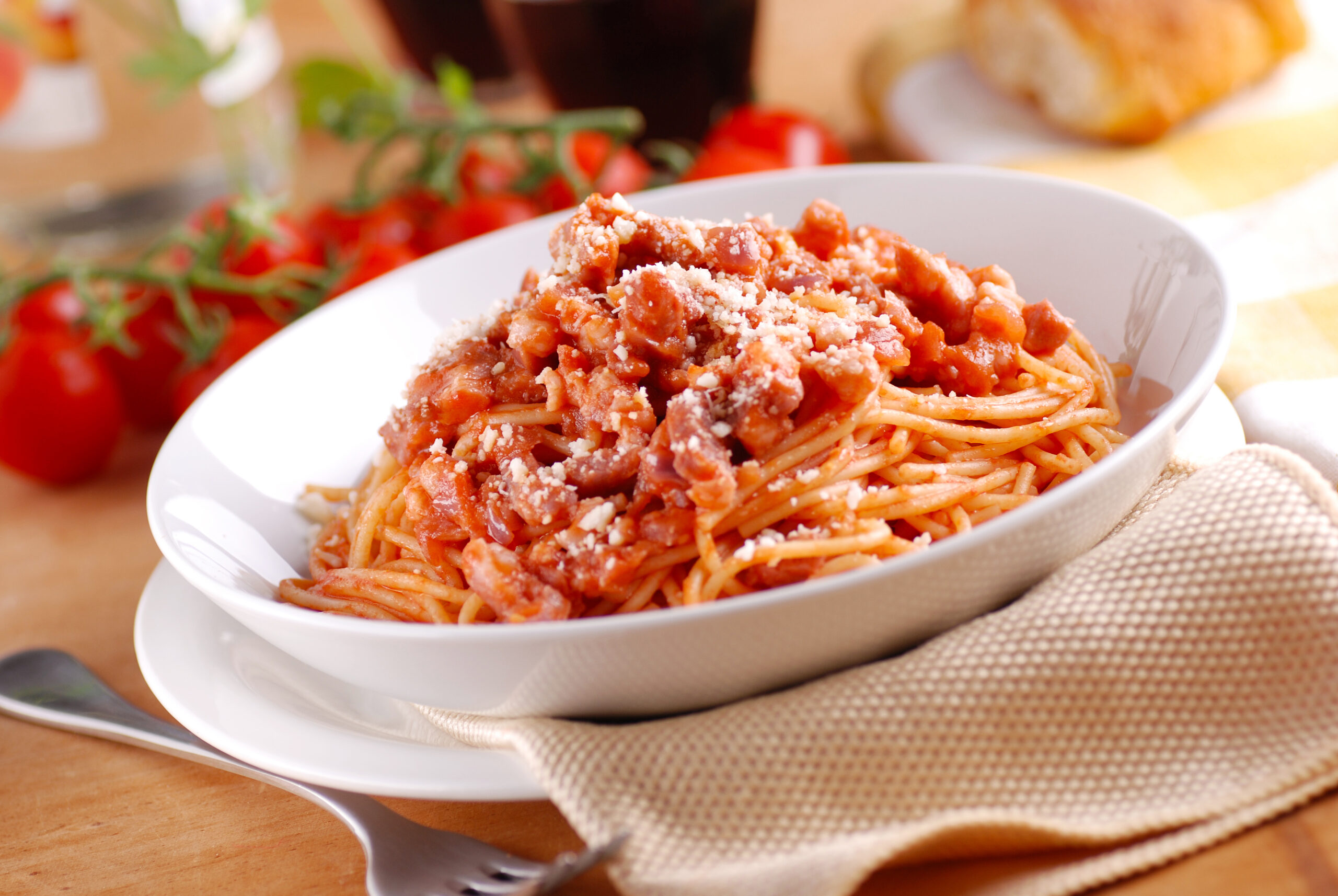
Authentic Amatriciana: A Classic Recipe from Lazio, Italy
In the vast tapestry of Italian cuisine, certain dishes stand out not just for their exquisite taste, but for the profound stories they tell. Bucatini all'Amatriciana is undeniably one of them. Hailing from the sun-drenched region of Lazio, this iconic pasta dish transcends mere sustenance, embodying generations of culinary tradition, heartfelt family gatherings, and the simple magic of time-honored recipes. It's a dish that, once savored, leaves an indelible mark on your palate and your memory.
For many, the scent of sizzling guanciale and simmering tomatoes evokes powerful recollections of cherished moments – be it Sunday lunches at Nonna's house or festive celebrations where laughter and good food flowed freely. This isn't just a recipe; it's a living legacy, a culinary heirloom passed down from parent to child, ensuring that the rich flavors and the precious memories associated with them continue to thrive. If you're intrigued by the deeper connection food has to heritage, you might enjoy exploring Bucatini Amatriciana: A Cherished Italian Family Heirloom for more insights into this beloved tradition.
The Storied Origins: From Shepherds' Fire to Global Tables
To truly appreciate the authentic bucatini amatriciana, one must delve into its humble yet fascinating past. The dish originates from the town of Amatrice, nestled in the mountains of Lazio. Initially, it was a simple, hearty meal for shepherds, designed to be made with readily available ingredients. This early version, known as Gricia or "white Amatriciana," consisted of cured pork (guanciale), Pecorino Romano cheese, and black pepper, often served with spaghetti or bucatini. Tomatoes were yet to make their grand entrance into Italian cooking, a relatively new import from the Americas.
The 17th and 18th centuries saw the gradual adoption of tomatoes into Italian cuisine, and it wasn't long before the vibrant red fruit found its way into Amatrice's kitchens. The addition of ripe, flavorful tomatoes transformed the Gricia into the Amatriciana we know and love today. This innovation marked a pivotal moment, cementing the dish's status as a cornerstone of central Italian gastronomy. While some variations of Amatriciana are enjoyed across Italy, the original recipe from Amatrice holds a special place, revered for its balance and simplicity. The popularity of bucatini amatriciana has since spread far beyond Lazio, enchanting palates worldwide, yet its roots remain firmly planted in the rugged beauty of its birthplace.
Unveiling the Authentic Bucatini Amatriciana Recipe
Crafting a truly authentic bucatini amatriciana is an exercise in respecting tradition and celebrating the quality of a few key ingredients. There's an art to its simplicity, where each component plays a crucial role in creating a symphony of flavors. Forget garlic, onions, or olive oil for sautéing the guanciale – true Amatriciana focuses on the purity of its core elements.
The Essential Ingredients: Purity is Key
- Guanciale: This is non-negotiable. Guanciale, cured pork jowl, is the beating heart of Amatriciana. Its unique texture and rich, savory fat render down beautifully, providing an unparalleled depth of flavor. Do not substitute with pancetta or bacon; their flavor profiles are distinctly different.
- San Marzano Tomatoes: Opt for high-quality, whole peeled San Marzano tomatoes, preferably DOP certified. These plum tomatoes, grown in the volcanic soil near Mount Vesuvius, are less acidic and boast a sweeter, richer flavor that is perfect for the sauce. Crush them by hand for a rustic texture.
- Pecorino Romano: This sharp, salty sheep's milk cheese is the traditional choice. Its robust flavor stands up perfectly to the richness of the guanciale and tomatoes. Grate it freshly just before serving.
- Bucatini Pasta: The ideal vehicle for this glorious sauce. Bucatini are thick, spaghetti-like strands with a small hole running through the center, allowing them to capture and deliver the sauce with every bite.
- Dry White Wine (Optional, but recommended): A splash of dry white wine can be used to deglaze the pan after rendering the guanciale, adding another layer of complexity.
- Freshly Ground Black Pepper: To taste, adding a subtle spicy kick.
- Peperoncino (Optional): For those who appreciate a touch of heat, a pinch of dried chili flakes can be added.
The Craft: Step-by-Step Excellence
- Render the Guanciale: Cut the guanciale into thick strips or small cubes. Place them in a cold, heavy-bottomed pan (traditionally a large skillet or frying pan) over medium-low heat. Slowly render the fat until the guanciale is crispy and golden. This slow process is crucial for extracting maximum flavor. Remove the crispy guanciale bits and set aside, leaving the rendered fat in the pan.
- Deglaze (Optional): If using, add a splash of dry white wine to the hot pan to deglaze, scraping up any delicious browned bits from the bottom. Let it simmer until the alcohol evaporates.
- Add the Tomatoes: Pour in the hand-crushed San Marzano tomatoes. Season with salt (sparingly, as guanciale and Pecorino are salty) and freshly ground black pepper, and add peperoncino if desired. Simmer the sauce gently for about 10-15 minutes, allowing the flavors to meld and the sauce to thicken slightly. Avoid overcooking the sauce; it should be fresh and vibrant.
- Cook the Bucatini: While the sauce simmers, bring a large pot of salted water to a rolling boil. Add the bucatini and cook until al dente, usually a minute or two less than the package instructions, as it will finish cooking in the sauce.
- Combine and Finish: Drain the bucatini, reserving about a cup of the pasta cooking water. Add the al dente bucatini directly to the pan with the tomato sauce. Toss vigorously, adding a ladleful of the reserved pasta water as needed to create a glossy, emulsified sauce that clings beautifully to the pasta.
- Final Touches: Return most of the crispy guanciale to the pan and toss again. Serve immediately, garnished with a generous showering of freshly grated Pecorino Romano and a final grind of black pepper.
Beyond the Plate: Crafting Memories with Bucatini Amatriciana
The act of preparing and sharing bucatini amatriciana is more than just cooking; it's an immersive experience that weaves together history, culture, and love. As the aroma of rich guanciale and sweet tomatoes fills your kitchen, it's impossible not to feel a connection to the generations of Italian families who have prepared this very dish. It’s about creating moments, sharing stories, and strengthening bonds around a table laden with delicious food.
There’s a unique satisfaction in seeing loved ones enjoy a meal prepared with such care and tradition. Each forkful of this iconic pasta carries not just flavor, but a piece of Italian heritage, a whisper of mountain air from Amatrice, and the warmth of a family kitchen. This is precisely why such recipes become cherished family heirlooms, enduring through time. To understand more about the profound connection between food and family heritage, you might find Bucatini Amatriciana: Crafting Delicious Family Memories a compelling read.
Mastering Amatriciana: Tips for Perfection
While the recipe for bucatini amatriciana is straightforward, a few expert tips can elevate your dish from good to truly extraordinary:
- Source the Best Guanciale: This is the single most important ingredient. Seek out Italian delis or specialty butchers. The quality of your guanciale will define your Amatriciana.
- Low and Slow for Guanciale: Don't rush the rendering. Medium-low heat allows the fat to slowly melt and crisp the meat without burning it, imparting maximum flavor to the oil.
- Don't Overcook the Sauce: Authentic Amatriciana sauce is quick and fresh, not a long-simmered ragù. A brief simmer allows the tomato flavor to shine without becoming heavy.
- Pasta Water is Gold: The starchy pasta water is your secret weapon for creating a silky, emulsified sauce that clings perfectly to the bucatini. Don't throw it all away!
- Finish in the Pan: Always finish cooking the pasta directly in the sauce. This allows the pasta to absorb the flavors and the sauce to thicken beautifully.
- No Onions or Garlic (Traditionally): While some modern interpretations add them, traditionally, Amatriciana does not feature onion or garlic. The focus is purely on guanciale, tomatoes, and Pecorino. Stick to this for authentic flavor.
Conclusion
Bucatini all'Amatriciana is more than just a dish; it's a culinary journey, a testament to the enduring power of simple, high-quality ingredients, and a celebration of Italian heritage. From its humble origins in Amatrice to its revered status on tables worldwide, this classic recipe offers a true taste of Lazio. By embracing the authentic ingredients and techniques, you not only prepare a delicious meal but also participate in a timeless tradition, honoring generations of cooks who poured their heart into creating this iconic pasta. So, gather your ingredients, savor the process, and share the joy of an authentic bucatini amatriciana with those you love. Buon appetito!
